
A cluster can be temporary
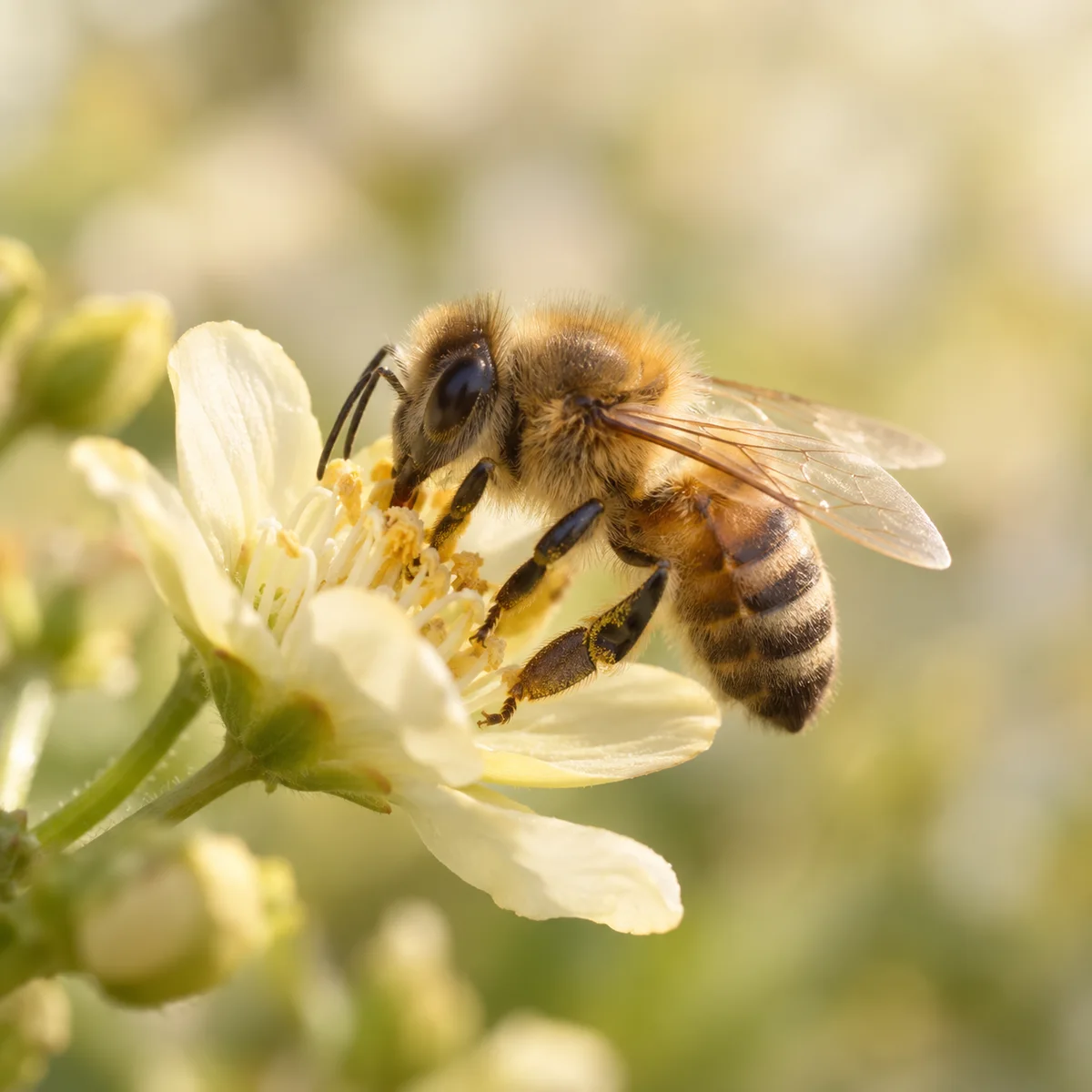
Honey bees may gather in a cluster while seeking a new home. That can look very different from the regular traffic of an established colony entering a wall. A cluster still needs space and appropriate advice, but it should not automatically lead to the same response as a wasp nest.
Look at the setting from a distance
An exposed comb under an eave, a rounded paper envelope and a small ground opening are different observations worth describing. Insect names can be confusing, and people often use bee, wasp and hornet interchangeably. A professional should consider the actual insect and site before choosing an approach.
Ask about the right kind of help
A suitable honey bee case may be referred to a beekeeper or a live-removal specialist. An established colony in a structure can involve comb, access and repairs as well as the bees themselves. Relocation depends on the situation and available expertise; it should be discussed rather than promised from a photograph.
Prepare a useful enquiry
Share when the activity started, your town and whether the insects are outdoors only. Include an existing picture if you have one. Avoid touching the cluster, applying household products or closing an active entry while waiting for the next step.
Further reading: Penn State Extension: stinging insect management
Explore the related service